Travel as a Force for Good
Tourism in Afghanistan is not just about seeing extraordinary places — it is about supporting communities, preserving culture, and building bridges. Every dollar you spend, every interaction you have, and every photograph you take has an impact. Make it a positive one.
Support Local Economies
- Buy local — Purchase handicrafts, carpets, and jewelry directly from artisans
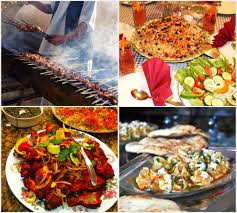
- Eat at local restaurants — Avoid international chains (there are few anyway)
- Stay in family-run guesthouses — Your money goes directly to the community
- Hire local guides and drivers — They know the land and need the income
- Pay fair prices — Bargaining is fine, but don't exploit poverty
Respect Cultural Heritage
- Do not touch or climb on ancient structures — oils from hands cause long-term damage
- Do not remove artifacts or stones as souvenirs
- Donate to preservation efforts — Organizations like UNESCO work to protect Afghan heritage
- Learn the history before you visit — it deepens your appreciation and respect
Environmental Responsibility
- Carry out all trash — Leave no trace, especially in pristine areas like Band-e Amir
- Minimize plastic — Bring a reusable water bottle and purification tablets
- Stay on designated paths when trekking — protects fragile alpine ecosystems
- Do not disturb wildlife — The Wakhan Corridor is home to rare snow leopards and Marco Polo sheep
Meaningful Interactions
- Learn basic greetings in Dari or Pashto — it shows respect and opens doors
- Ask before photographing people — and share the results
- Listen more than you speak — Afghans have extraordinary stories
- Be patient — Afghan time is different. Tea comes before business.
- Accept invitations — A meal in a local home is worth more than any museum
What to Bring for Communities
If you wish to give something back, these items are genuinely useful:
- School supplies — Pens, notebooks, colored pencils for village schools
- Medical supplies — Basic first aid items for remote clinics
- Photos from your country — Children love seeing where you come from
- Your skills — If you are a teacher, doctor, or tradesperson, offer a workshop
Avoid These Pitfalls
- Orphanage tourism — Do not visit orphanages uninvited. It commodifies children.
- Giving money to children — It encourages begging. Donate to reputable organizations instead.
- Photographing sensitive subjects — Military, checkpoints, and distressed people
- Imposing your values — Observe, learn, and respect local norms
Kantiva Commitment: A portion of every tour fee goes directly to local community projects — school supplies, clinic equipment, and heritage preservation. When you travel with us, you travel with purpose.